
Support
Groups for Women With Anxiety and Depression: Finding Healing
Together
When anxiety and depression take hold, life can feel overwhelmingly isolating. For many women hese mental health challenges are compounded by societal pressures, career demands, and caregiving roles. Fortunately, *support groups for women with anxiety and depression* are becoming a powerful lifeline. These safe spaces allow women to share openly, receive empathy, and develop practical tools for managing their mental health.
The
Power of Shared Experience: Why Support Groups Matter
Women often bear emotional burdens in silence, juggling careers, relationships, and family while struggling inwardly with anxiety and depression. That was true for *Samantha*, a 34-year-old working mom who silently battled panic attacks while trying to maintain a “perfect” image. It wasn’t until she joined a *support group for women with anxiety and depression* that she realized she wasn’t alone.
“The first time I heard someone describe the exact feelings I had, I broke down in tears,” Samantha shared. “It felt like I had finally found my people.”
Support
groups provide validation, reduce shame, and foster healing in ways
that individual therapy sometimes cannot. Being surrounded by women
with shared experiences builds emotional safety and lasting
resilience.
Types
of Support Groups for Women With Anxiety and Depression
There are various formats available to suit different needs:
💬 Peer-Led Support Groups for Women With Anxiety and Depression
These groups are often led by women who have navigated anxiety and depression themselves. They aren’t therapists, but they offer lived wisdom, empathy, and encouragement. Meetings might involve sharing, breathing exercises, or journaling prompts.
🌐 Online Support Groups for Women With Anxiety and Depression
Especially since the pandemic, online groups have exploded in popularity. Women from anywhere in the world can connect via platforms like Zoom or dedicated forums. Online support offers convenience and anonymity, making it easier to open up.
* Recent Resource: Healthline provides a roundup of active online spaces tailored for women.
https://www.healthline.com/program/womens-wellness
🧠 Therapist-Led Support Groups for Women With Anxiety and Depression
These structured sessions are facilitated by licensed professionals who guide the group through evidence-based coping strategies like CBT, mindfulness, or trauma-informed healing. They’re especially useful for women with moderate to severe symptoms
Real
Stories: How Support Groups Changed Their Lives
Emily’s Journey
Emily, 28, suffered from postpartum depression that left her feeling disconnected from her baby and her identity. Her therapist recommended a local *support group for women with anxiety and depression*. Initially skeptical, Emily soon found solace.
“We all cried during the first session,” she recalled. “There was such relief in hearing other moms say, ‘I’ve been there too.’”
Within a few months, Emily began leading mindfulness meditations for the group. Today, she’s working on becoming a certified peer support specialist.
Lisa’s
Breakthrough
Lisa, 41, dealt with chronic anxiety stemming from a traumatic divorce. An online *support group for women with anxiety and depression* became her evening ritual.
“Logging in was like breathing fresh air,” Lisa said. “I could be raw, honest, and not feel judged.”
Key
Benefits of Support Groups for Women With Anxiety and Depression
* Reduced Isolation: Connection eases the loneliness that often accompanies depression.
* Improved Coping Skills: Many groups share strategies, from grounding techniques to lifestyle hacks.
* Safe Emotional Expression: Women often report being able to cry, laugh, and process openly in a way they can't elsewhere.
* Increased Self-Compassion: Hearing others speak kindly about themselves inspires members to do the same.
How
to Find the Right Support Group
If you’re ready to explore *support groups for women with anxiety and depression*, here’s where to start:
🗺️ Use National Directories
* Mental Health America Support Group Directory
https://mhanational.org/finding-help/
* National Alliance on Mental Illness (NAMI)
https://www.nami.org/support-education/support-groups/
🖥️ Try Online Communities
🏥 Ask Your Therapist or Doctor
They may know of in-person or virtual options aligned with your mental health goals.
Building
Your Own Support Network
Not every community will have an established support group. In that case, consider starting your own. You can:
* Use a Facebook group or Meetup to create a local or digital gathering space.
* Partner with a licensed therapist to lead sessions.
* Keep it simple: a weekly walk-and-talk or journaling circle can work wonders.
Words
of Encouragement
Dear reader, if you’re feeling stuck, anxious, or hopeless, know that you are not alone. You are not broken. Your story deserves space and support. Joining a *support group for women with anxiety and depression* can be the first step in reclaiming your joy, confidence, and calm.
As one group member beautifully said:
“Healing isn’t linear—but when you walk the path with others, you don’t fall as far.”
Final
Thoughts: You're Stronger Together
Support groups for women with anxiety and depression don’t promise an overnight cure—but they offer something more lasting: a sisterhood of understanding. Whether you choose an online platform or an in-person circle, these spaces can lift the veil of isolation and guide you toward inner peace.
Instant delivery • No credit card required • Unsubscribe anytime
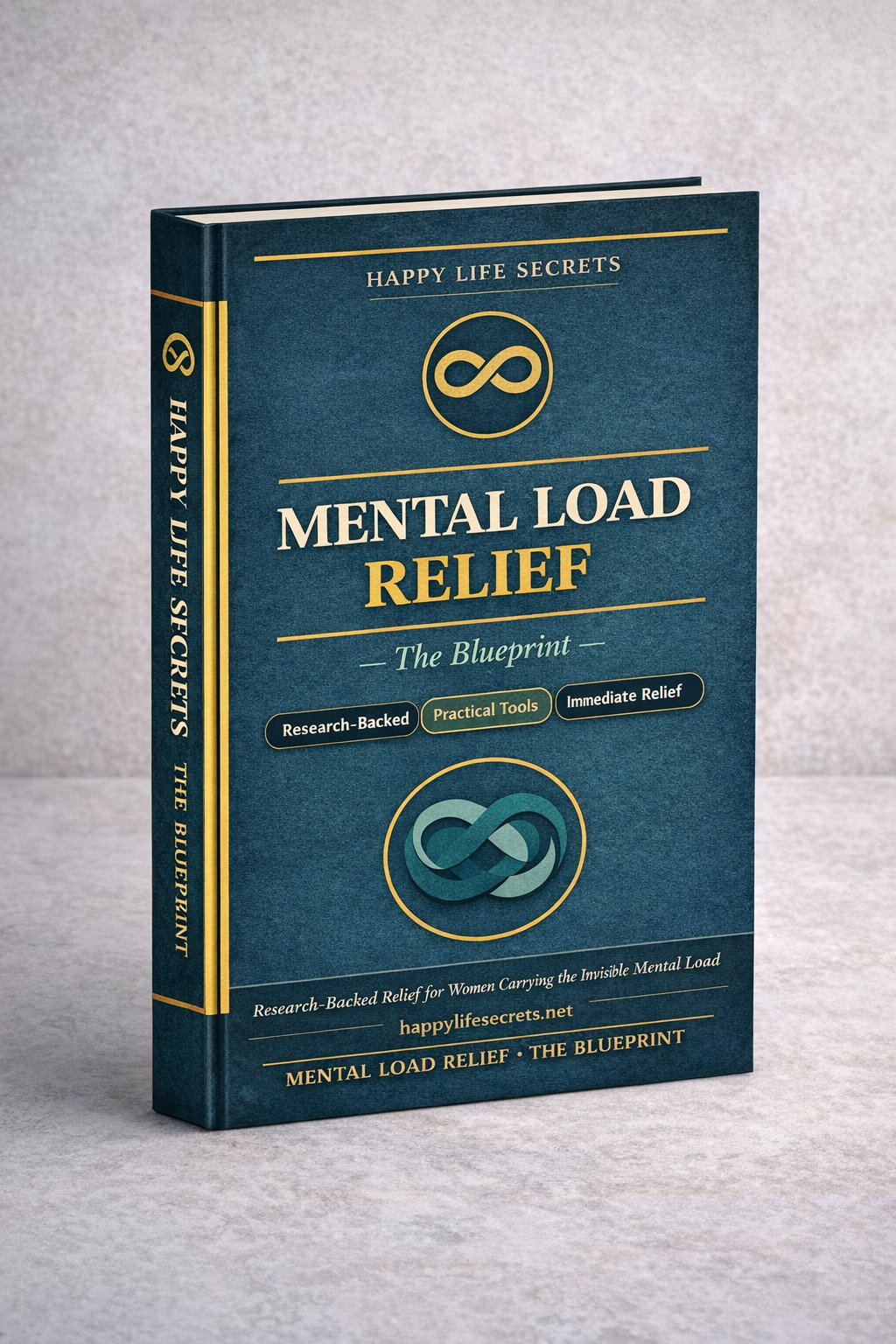
You're Not Falling Behind. You're Carrying More Than Anyone Should Have to Hold Alone.
The Mental Load Relief Blueprint gives you the research-backed framework women 25–44 are quietly using to reclaim 2+ hours of mental space daily — without waiting for anyone else to notice how much you're managing.
Instant PDF delivery • Your privacy protected • Unsubscribe anytime
You're Not Overwhelmed Because You Can't Handle It.
You're Overwhelmed Because the Load Was Never Designed to Be Carried by One Person.
Research shows women make up to 35,000 decisions daily while managing invisible work nobody else sees — or names. Here's what that actually looks like from the inside.
You're the Only One Who Remembers Everything
Appointments, school events, grocery needs, everyone's schedules — that mental tab running 24/7 is real cognitive labor. Studies show invisible work creates 40% more mental fatigue than tasks anyone can actually see.
Making 100+ Decisions While Everyone Else Just... Lives
What's for dinner? Who needs what tomorrow? Did that get handled? You're absorbing the weight of these micro-decisions constantly — and research confirms that decision fatigue quietly steals your clarity and energy all day long.
Holding Everyone's Emotional Load Too
Their worries, moods, needs, and fears have somewhere to land — and that place is you. Data shows this emotional carrying costs women 700+ hours annually in unpaid mental labor that nobody else identifies as work.
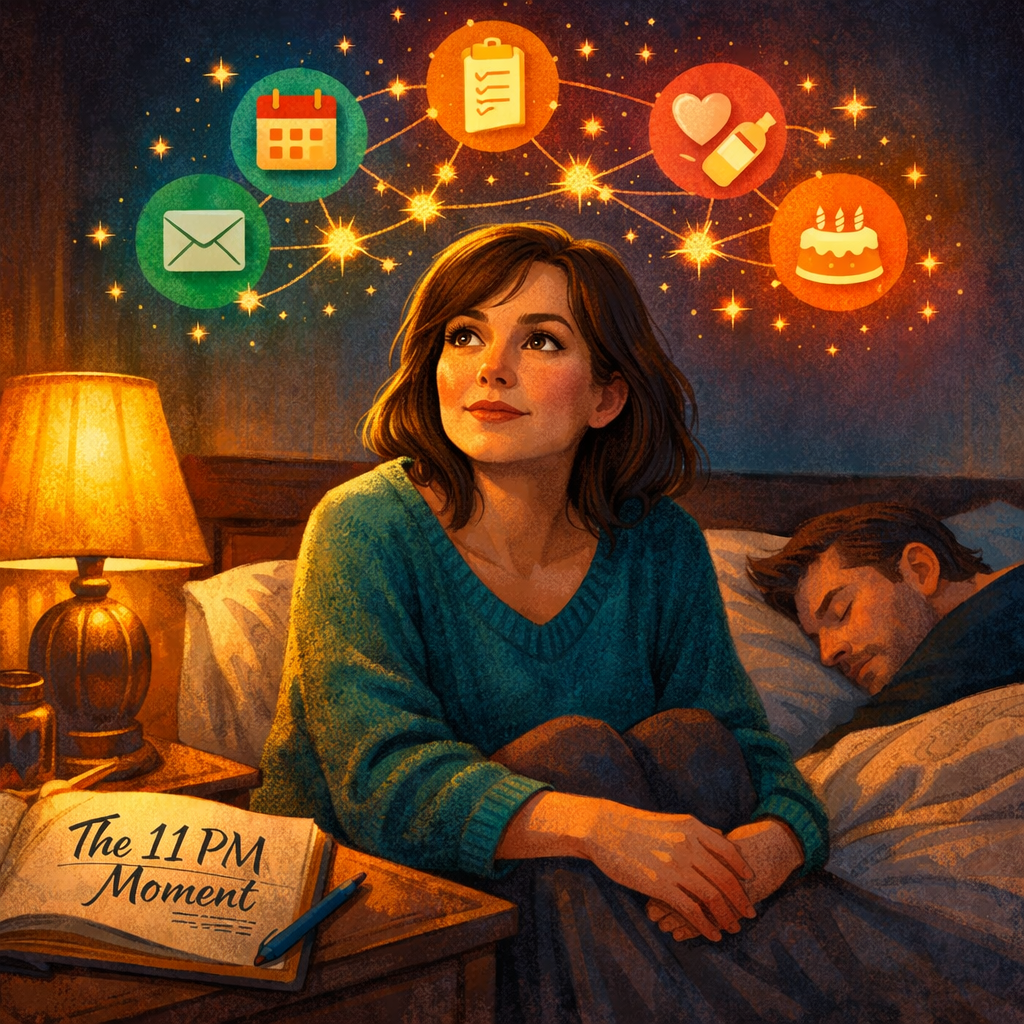
Your Brain Won't Turn Off at Night
Even when you're exhausted, tomorrow's logistics replay the moment your head hits the pillow. Research directly links mental load to disrupted sleep — which means you wake up tired before the day even begins.
You're Everyone's Default for Everything
Every question, every problem, every decision comes to you first. You coordinate, anticipate, solve — the invisible architecture holding everything together. Research identifies being the default person as a primary predictor of burnout.
Generic "Self-Care" Was Never Designed for Your Reality
"Take a bath." "Just say no." None of it accounts for the fact that you're managing an entire household's cognitive life. The advice failed you — not the other way around. You needed a different kind of tool.
The Mental Load Relief Blueprint: A New Framework, Not More Advice
This isn't another collection of productivity tips that pretend your invisible labor doesn't exist. These are evidence-based strategies built around how cognitive and emotional load actually work — practical relief designed for real life, not an idealized one.
Identify Your Mental Load Type
Discover which of the five mental load patterns applies to you. Research shows targeted, specific strategies work 3x better than generic approaches — because not all invisible labor looks the same.
The Brain Dump Method That Actually Works
Reduce your daily decision load by up to 40% using cognitive offloading techniques designed for real life. Studies confirm that externalizing mental tabs creates immediate, measurable relief.
Sharing Mental Load — Not Just Tasks
Specific strategies for redistributing invisible labor without becoming the manager of your own delegation. Evidence shows even small shifts in load distribution produce noticeable, lasting relief.
Decision Fatigue Relief Protocol
Eliminate unnecessary decision points and automate your cognitive overhead. Research confirms that removing just 20 daily micro-decisions significantly improves mental clarity and available energy.
Boundary Scripts for Real Situations
Word-for-word language for setting limits without guilt or conflict. Data shows even one consistently held boundary reduces overwhelm and interrupts the default-person pattern over time.
The Bedtime Worry Spiral Protocol
Reduce nighttime mental rumination from 45 minutes to under 5 using the Worry Window Technique. Penn State research shows this approach cuts bedtime anxiety by 35% within two weeks.
The Permission You've Been Waiting For
Relief doesn't require anyone else to notice what you've been carrying first. Research shows self-validation is the essential first step — and this guide begins there, because that's where change actually starts.
Every Strategy Is Grounded in Research on Invisible Labor
Not wellness trends. Not anecdotes. Peer-reviewed data on cognitive load, decision fatigue, and emotional labor from leading psychology and behavioral science journals.
Why The Mental Load Relief Blueprint Works When Generic Advice Didn't
The strategies that failed you before weren't designed for cognitive labor. They were designed for task management. This is something different.
Built for What You're Actually Carrying
Designed specifically for cognitive overload from invisible labor — not generic stress tips that acknowledge your situation in the intro and then ignore it for the rest of the guide.
Fits Into Real Life, Not an Ideal One
Every strategy takes 5–10 minutes. Not because the strategies are small — because your time is real. Relief that only works when you have three free hours isn't relief.
100% Evidence-Based
Grounded in peer-reviewed research on invisible labor, decision fatigue, and emotional load — not trends, personal opinions, or one-size-fits-all advice that was never built for what you carry.
About Happy Life Secrets
I'm Herb, founder of Happy Life Secrets. For over a decade, I've researched the psychology of mental overwhelm, decision fatigue, and cognitive load — specifically studying what creates real, measurable relief for women managing multiple responsibilities and invisible labor nobody else names.
The Mental Load Relief Blueprint isn't built on personal anecdotes or wellness theories. Every strategy inside is grounded in peer-reviewed research from leading psychology journals and clinical studies on invisible labor and burnout.
These are the same evidence-based tools women are using right now to finally get relief from work nobody acknowledges — and to reclaim the mental space they've always deserved, without waiting for anyone else to step up first.
Download Your Free Blueprint Today
Stop carrying everyone's invisible labor alone. Get the complete, evidence-based guide for reducing decision fatigue, sharing the mental load, and finally feeling lighter — starting today.
Completely free. No credit card required. Instant PDF download.
Yes — Send Me the Free Blueprint NowInstant delivery • Your privacy protected • Evidence-based strategies • Unsubscribe anytime
------------------------
------------------------

-----------


-----------

-----------


HappyLifeSecrets.net
Copyright © 2010-2026
All Rights Reserved