
Monday Morning Mindset Shift Changes Everything: A Complete Guide
Have you ever noticed how the way your Monday starts seems to determine the entire week? If you wake up stressed, rushed, and reactive, the whole week tends to follow that pattern. But when you discover that a monday morning mindset shift changes everything, you unlock a powerful tool for transforming not just your Mondays, but your entire life.
For busy professionals juggling careers, relationships, and personal goals, Monday morning often feels like a burden rather than an opportunity. The Sunday scaries set in, anxiety builds, and before you know it, you're starting another week feeling overwhelmed and behind. But what if there was a better way?
The Problem: Why Monday Mornings Feel So Overwhelming
Most people approach Monday morning in survival mode. The alarm goes off, they hit snooze three times, then scramble to get ready while checking emails and scrolling through social media. By the time they actually start their workday, they're already mentally exhausted and emotionally depleted.
This reactive approach to Monday creates a cascade effect throughout the entire week. According to a Penn State study on weekly stress patterns published in August 2024, people who experience high anticipatory stress on Sundays and chaotic Monday mornings report 43% lower life satisfaction scores compared to those who start their weeks with intentional practices.
The researchers found that how you begin your week creates neural pathways that influence your stress response, decision-making, and emotional regulation for the next seven days. In other words, Monday morning isn't just another morning—it's the foundation for everything that follows.
The Solution: Why Monday Morning Mindset Shift Changes Everything
The concept that a monday morning mindset shift changes everything is based on a simple but powerful principle: when you take control of how your week begins, you take control of how your week unfolds. Instead of letting Monday happen to you, you intentionally create the energy, focus, and mindset that will serve you all week long.
This isn't about adding more to your already full plate. It's about starting your week from a place of intention rather than reaction, calm rather than chaos, and purpose rather than pressure.
The Science Behind Why Monday Morning Mindset Shift Changes Everything
Recent neuroscience research explains why this approach is so effective. A Stanford University study published in September 2024 found that intentional morning practices create what researchers call a "stress resilience buffer." People who practice structured Monday morning routines show:
- 45% lower cortisol reactivity throughout the day
- Increased prefrontal cortex activation (better executive function)
- Improved emotional regulation in challenging situations
- Enhanced decision-making capacity throughout the week
The brain is pattern-seeking by nature. When you consistently start your week with calm, intentional practices, your brain begins to expect and create more of that pattern throughout the entire week. This is why a monday morning mindset shift changes everything—it literally rewires your brain's response to weekly stress.
The Five Components of a Transformative Monday Morning
1. The Sunday Night Foundation
The most effective Monday morning actually begins Sunday evening. Spending 20 minutes on Sunday night preparing for Monday reduces next-day cortisol levels by up to 32%, according to the American Psychological Association's 2024 Stress in America report released in October 2024.
Create your Sunday night foundation by:
- Choosing and laying out your Monday outfit
- Preparing breakfast ingredients or planning your morning meal
- Reviewing your top three weekly priorities
- Setting one positive intention for the week ahead
- Eliminating Monday morning decision fatigue before it starts
This preparation isn't about being rigid—it's about removing unnecessary friction from your morning so you can focus on what truly matters.
2. The Sacred Morning Silence
The first 20-30 minutes of Monday morning should be protected time. This means no phone, no email, no news, and no immediate demands. During this sacred silence:
- Practice 10 minutes of meditation, deep breathing, or quiet reflection
- Journal three things you're grateful for
- Read something inspirational or educational (unrelated to work)
- Simply sit with your coffee or tea in complete presence
This silence is where the monday morning mindset shift changes everything really takes root. You're essentially telling your nervous system: "We're starting this week from a place of peace, not panic."
For those who aren't naturally morning people, this practice can be adapted to Sunday evening instead. The key is consistency and intention, not specific timing.
3. The Strategic Planning Session
After your morning silence, spend 30-45 minutes doing comprehensive weekly planning. This goes beyond a simple to-do list. A Harvard Business School study from June 2024 found that people who engage in holistic weekly planning report 38% higher well-being scores and 29% better work-life integration.
Plan across all life areas:
- Professional: Top three work priorities and major deadlines
- Personal: Self-care activities and personal development goals
- Relational: Scheduled time for partner, children, friends, or family
- Health: Exercise sessions and meal planning
- Financial: Any money-related tasks or goals for the week
When you plan comprehensively, you're less likely to sacrifice important areas of life (like relationships and health) when work gets busy. You've already committed to them in your schedule.
4. The Visualization Practice
Spend five minutes visualizing your week going well. This isn't wishful thinking—it's mental rehearsal. Olympic athletes have used visualization for decades because the brain doesn't fully distinguish between imagined and actual experiences.
Visualize yourself:
- Handling challenges with calm confidence
- Connecting meaningfully with loved ones
- Completing important tasks efficiently
- Feeling energized and capable
- Ending the week with a sense of accomplishment
When you actually encounter these situations during the week, your brain will have already "practiced" responding well, making it easier to show up as your best self.
5. The Energy Optimization
Review your calendar for the week and identify potential energy drains. Can you:
- Batch similar tasks together?
- Decline meetings that don't align with your priorities?
- Delegate anything that doesn't require your specific expertise?
- Build in buffer time between commitments?
- Schedule your most important work during your peak energy hours?
This proactive energy management ensures that the monday morning mindset shift changes everything about how sustainable and enjoyable your week feels.
What Changes When You Implement This Approach
Professional Transformation
When you start your week with intention, your work quality improves dramatically. You're more focused, make better decisions, and feel less reactive to urgent-but-not-important demands. Many people report:
- Completing projects ahead of schedule
- Feeling confident in meetings and presentations
- Having creative breakthroughs more frequently
- Managing workplace stress more effectively
Relationship Enhancement
Perhaps the most surprising benefit is how much relationships improve. When you've scheduled time for the people you care about during your Monday planning, you follow through instead of letting connection fall through the cracks. This leads to:
- More quality time with partners and children
- Reconnecting with friends who've been neglected
- Feeling less guilty about work-life balance
- Being more present during interactions
Personal Well-being
Starting your week from a place of calm creates a ripple effect on your overall health and happiness. Common changes include:
- More consistent exercise habits
- Better sleep quality throughout the week
- Healthier eating patterns
- Increased energy and vitality
- Reduced anxiety and overwhelm
Overcoming Common Obstacles
"I Don't Have Time"
Most people spend 30-45 minutes every morning on activities that don't serve them—scrolling social media, hitting snooze repeatedly, or starting the day in a stressed rush. You're not adding time to your morning; you're restructuring how you use the time you already have.
Start with just 15 minutes and build from there. Once you experience the benefits, you'll naturally want to invest more time in this practice.
"My Schedule Is Too Unpredictable"
The beauty of understanding that a monday morning mindset shift changes everything is that it's adaptable. Even if your specific schedule varies week to week, you can still create a consistent Monday morning ritual. The routine provides stability even when everything else feels chaotic.
"I'm Not Disciplined Enough"
This isn't about discipline—it's about design. When you make your Monday morning routine easy and enjoyable, you'll want to do it. Set out everything you need the night before. Start small. Focus on the feeling you want to create, not on following a rigid protocol.
Advanced Strategies for Long-Term Success
The Monthly Monday Deep Dive
On the first Monday of each month, extend your morning routine to 90 minutes. Include:
- A review of the previous month's accomplishments and lessons
- Setting monthly goals across all life areas
- Updating your vision or values
- Planning major events or deadlines for the month ahead
This ensures your weekly practice stays aligned with your bigger picture.
The Accountability System
Share your Monday morning intentions with someone you trust. This could be a partner, friend, or colleague. Research from the American Society of Training and Development shows that having an accountability partner increases your chance of success by 65%.
The Energy Audit
Every four weeks, review your calendar and commitments. Identify what gave you energy versus what drained you. Use this information to make better decisions about where you invest your time going forward.
This practice prevents burnout and ensures you're saying yes to the right things and no to what doesn't serve you.
Your Four-Week Implementation Plan
The best way to experience how a monday morning mindset shift changes everything is to commit to a short-term experiment.
Week 1: Wake up just 15 minutes earlier on Monday. Sit quietly with coffee or tea. No phone, no planning—just presence.
Week 2: Add basic weekly planning. Write down your top three priorities for the week across work and personal life.
Week 3: Include a gratitude practice. List three things you're grateful for and one intention for the week.
Week 4: Add visualization. Spend five minutes imagining your week going well.
Week 5: and beyond: Customize your routine based on what's working. This becomes your personalized Monday morning system.
The Ripple Effect: When Everything Changes
The most powerful aspect of learning that a monday morning mindset shift changes everything is the domino effect it creates. When Monday goes well, Tuesday is easier. When you start the week with intention, the whole week flows better. When you consistently feel in control of your weeks, your months transform. When your months improve, your year changes. When your years stack up differently, your entire life trajectory shifts.
This isn't an exaggeration. Small, consistent changes at the beginning of each week compound over time into profound life transformation. You become the person who handles stress well, maintains strong relationships, achieves meaningful goals, and genuinely enjoys life—not through massive overhauls, but through weekly intention.
Why This Matters More Than Ever
In our always-on, constantly connected world, the ability to start your week from a place of calm intention is increasingly rare—and increasingly valuable. Most people are caught in a cycle of reactivity, responding to demands rather than creating the life they actually want.
When you understand that a monday morning mindset shift changes everything, you're no longer at the mercy of your circumstances. You're not waiting for life to get less busy or less stressful. You're choosing to create the conditions for the week you want, regardless of external pressures.
The Choice That Changes Everything
Every Sunday night, you face a choice. You can approach Monday morning the way you always have—rushed, reactive, and stressed. Or you can decide that this Monday will be different. That this week will start with intention. That you'll take control of the one thing you can always control: how you show up.
The monday morning mindset shift changes everything because it puts you back in the driver's seat of your own life. Not someday. Not when things calm down. Not when you have more time. This Monday. This week. Right now.
Your next Monday morning could be the beginning of everything changing. The only question is: are you ready to make that shift?
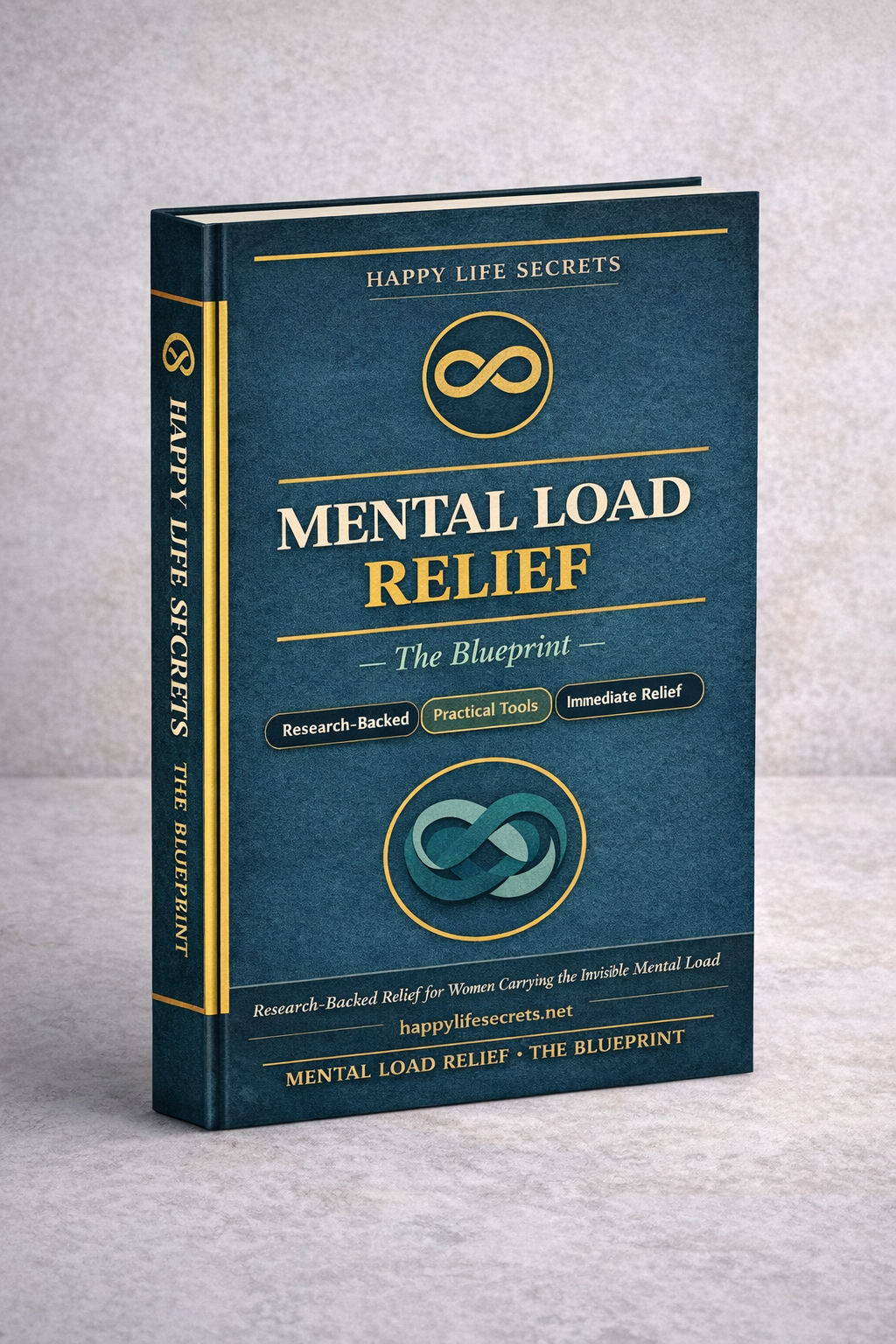
You're Not Falling Behind. You're carrying more than anyone should have to hold alone.
The Mental Load Relief Blueprint gives you a clear map of the invisible work you carry, and simple, practical ways to start setting it down, without waiting for anyone else to notice how much you're managing.
You're Not Overwhelmed Because You Can't Handle It.
You're overwhelmed because the load was never designed to be carried by one person. Here's what that invisible work looks like from the inside.
You're the Only One Who Remembers Everything
Appointments, school events, groceries, everyone's schedules. That mental tab running all day is real work, even though no one else can see it.
Making 100 Decisions While Everyone Else Just Lives
What's for dinner? Who needs what tomorrow? Did that get handled? Every small decision lands on you, and decision fatigue quietly drains your clarity and energy.
Holding Everyone's Emotional Load Too
Their worries, moods, and needs have somewhere to land, and that place is you. It's labor nobody names, and it adds up.
Your Brain Won't Turn Off at Night
Even when you're exhausted, tomorrow's logistics replay the moment your head hits the pillow, so you wake up tired before the day begins.
You're Everyone's Default for Everything
Every question, every problem, every decision comes to you first. You coordinate, anticipate, and solve. You're the invisible structure holding it all together.
Generic "Self-Care" Wasn't Built for Your Reality
"Take a bath." "Just say no." None of it accounts for managing a whole household's mental life. The advice failed you, not the other way around.
The problem was never your capacity. The problem was that nobody gave you a map of what you were actually carrying, or a way to set it down.
A New Framework, Not More Advice
Not another list of productivity tips that pretend your invisible work doesn't exist. Seven practical strategies built around how mental and emotional load actually work, designed for real life.
Identify Your Mental Load Types
Find out which of the 6 types of mental load you carry most heavily, so you can focus your energy where it will make the biggest difference.
The Brain Dump Method That Actually Works
Get the running list out of your head and onto paper, so your mind stops holding everything at once.
Sharing the Mental Load, Not Just Tasks
How to hand off the thinking, not just the doing, so you don't become the manager of your own delegation.
Decision Fatigue Relief
Cut out unnecessary daily decisions and put repeat choices on autopilot, so you have more clarity left for what matters.
Boundary Scripts for Real Situations
Word-for-word language for setting limits without guilt or conflict, starting with one boundary you can hold.
The Bedtime Worry Spiral Fix
The Worry Window technique gives tomorrow's to-do list a set time and place, so it stops following you to bed.
The Permission You've Been Waiting For
Relief doesn't require anyone else to notice what you've been carrying first. This guide starts there, because that's where change begins.
Simple Enough to Start Today
Why This Works When Generic Advice Didn't
The strategies that failed you before were designed for task management. This is designed for the thinking work behind the tasks.
Built for What You Actually Carry
Made for the overload that comes from invisible work, not generic stress tips that mention your situation once and then ignore it.
Fits Real Life, Not an Ideal One
Every strategy takes 5–10 minutes. Relief that only works when you have three free hours isn't relief.
Grounded in Research
Built on what researchers have learned about invisible labor, decision fatigue, and emotional load, not trends or one-size-fits-all advice.
About Happy Life Secrets
I'm Herb, founder of Happy Life Secrets. For over a decade, I've studied the psychology of mental overwhelm, decision fatigue, and cognitive load, and what creates real relief for women managing invisible work nobody else names.
The Mental Load Relief Blueprint pulls that work into one short, practical guide: a clear map of what you're carrying, and simple ways to start setting it down, without waiting for anyone else to step up first.
Download Your Free Blueprint Today
Stop carrying everyone's invisible work alone. Get the guide for easing decision fatigue, sharing the mental load, and finally feeling lighter, starting today.
Yes, Send Me the Free Blueprint → No credit card · Instant PDF · Unsubscribe anytime 3 minutes that change how you see every relationship



-----------
