
Holistic
Approaches to Women's Mental Health: Real Stories & Healing
In
a fast-paced world where women juggle careers, relationships, and
personal expectations, holistic approaches to women's mental health
offer more than just symptom relief—they offer transformation.
These methods focus on the mind-body-spirit connection and have
proven especially valuable for women navigating anxiety, stress, and
emotional overwhelm. Through real-life stories and evidence-backed
practices, this article explores how a holistic path can lead to
profound healing and joy
Why Holistic Approaches to Women's Mental Health Matter
For decades, mental health treatments have focused mainly on medication and talk therapy. While these tools are important, many women feel there's something missing—a deeper healing that addresses the emotional, physical, and spiritual layers of their well-being. This is where holistic approaches to women's mental health shine.
Holistic wellness doesn’t treat mental health as a single problem to fix, but as a journey of self-awareness, lifestyle change, and emotional balance. This integrative approach includes everything from meditation and herbal remedies to journaling, yoga, and energy healing. But beyond techniques, it’s also about reclaiming power, voice, and peace.
From
Burnout to Balance: Sarah’s Story
Sarah, a 38-year-old mother of two and marketing manager, remembers the moment she realized she was not okay. “I was on a work call, and I felt my chest tighten, my hands shake. I thought I was having a heart attack—it was actually my third panic attack in a month.”
After years of pushing through stress, Sarah turned to holistic wellness. “I started with yoga and meditation, but what changed everything was breathwork and seeing a naturopath. It wasn’t just about calming down—it was about discovering myself again.”
Sarah’s story isn’t unique. Many women today are turning to holistic approaches to women's mental health not just to survive but to thrive.
The
Core Pillars of Holistic Approaches to Women's Mental Health
1. Mindfulness-Based Practices in Women's Mental Health
Mindfulness is foundational in holistic wellness. It encourages presence, acceptance, and reduced reactivity to stress. Women who practice daily mindfulness—whether through meditation, mindful walking, or gratitude journaling—report less anxiety and increased resilience.
Apps like *Insight Timer* or *Headspace* are great starting points for beginners. Regular practice rewires the brain to handle emotions more effectively, especially in women navigating hormonal cycles or work-life imbalance.
2. Nutrition and Herbal Support for Women's Mental Health
What we eat deeply impacts how we feel. Holistic nutrition looks at the gut-brain connection, promoting foods that support neurotransmitter health (like serotonin and dopamine). Nutrient-rich diets, with omega-3s, leafy greens, fermented foods, and adaptogens, support mental clarity and mood stability.
Many women find relief using herbal supplements such as ashwagandha for stress, St. John’s Wort for mood, and magnesium for relaxation. Always consult a qualified practitioner before using herbs.
3. Movement Therapy and Embodied Healing for Women's Mental Health
Dance, yoga, and somatic movement allow emotional expression and release—something talk therapy alone may not reach. Holistic healing recognizes the body stores trauma and that movement can help process it.
For example, trauma-informed yoga, especially for women, emphasizes safety and agency. It creates a space for reconnection with the body, helping women who’ve experienced burnout, loss, or abuse.
4. Energy Healing and Spiritual Tools for Women's Mental Health
Reiki, acupuncture, and chakra balancing are no longer “woo-woo”—many women swear by their effectiveness. These therapies tap into the body’s energy systems, promoting harmony where there’s been emotional or physical imbalance.
Whether it's through crystal healing or journaling with oracle cards, spiritual self-care offers deep emotional insights and empowerment.
Breaking
the Stigma: Embracing a Holistic Path
One of the most empowering shifts in the conversation around holistic approaches to women's mental health is the breaking down of shame and stigma. More women are opening up about anxiety, depression, trauma, and burnout—choosing vulnerability over silence.
Online communities, social media platforms like Instagram and TikTok, and channels like [Happy Life Secrets TV](https://www.youtube.com/@HappyLifeSecretsTV/) are helping normalize these conversations and guide women to resources that resonate with their values.
Practical
Tips to Start Your Holistic Mental Health Journey
If you're new to holistic healing, here are a few simple steps to begin:
1. Start small. Try 5 minutes of breathwork daily or journaling before bed.
2. Listen to your body. Notice what foods, people, and routines affect your mood.
3. Connect with practitioners. A holistic therapist, health coach, or yoga teacher can support your path.
4. Create a sacred space. Dedicate a corner in your home for meditation, reading, or calming rituals.
5. Give yourself grace. Healing isn’t linear. Allow rest and celebrate your progress.
How
Holistic Approaches to Women's Mental Health Create Long-Term Change
True healing happens slowly, layer by layer. Holistic wellness helps women not just mask symptoms, but understand the roots of their emotional struggles. By fostering self-love, boundaries, nourishment, and spiritual growth, these practices support lasting transformation.
Whether you’re a single mom, a high-powered professional, or just trying to make it through the week, holistic approaches to women's mental health remind you: healing is always possible.
Conclusion:
A Gentle Invitation
You don’t need to have it all figured out. Taking one small step toward holistic healing—whether it’s meditating, seeing an acupuncturist, or simply drinking more water—can shift your entire emotional landscape. You deserve peace, clarity, and joy.
Let your healing be gentle, sacred, and yours.
Instant delivery • No credit card required • Unsubscribe anytime
You're Not Falling Behind. You're Carrying More Than Anyone Should Have to Hold Alone.
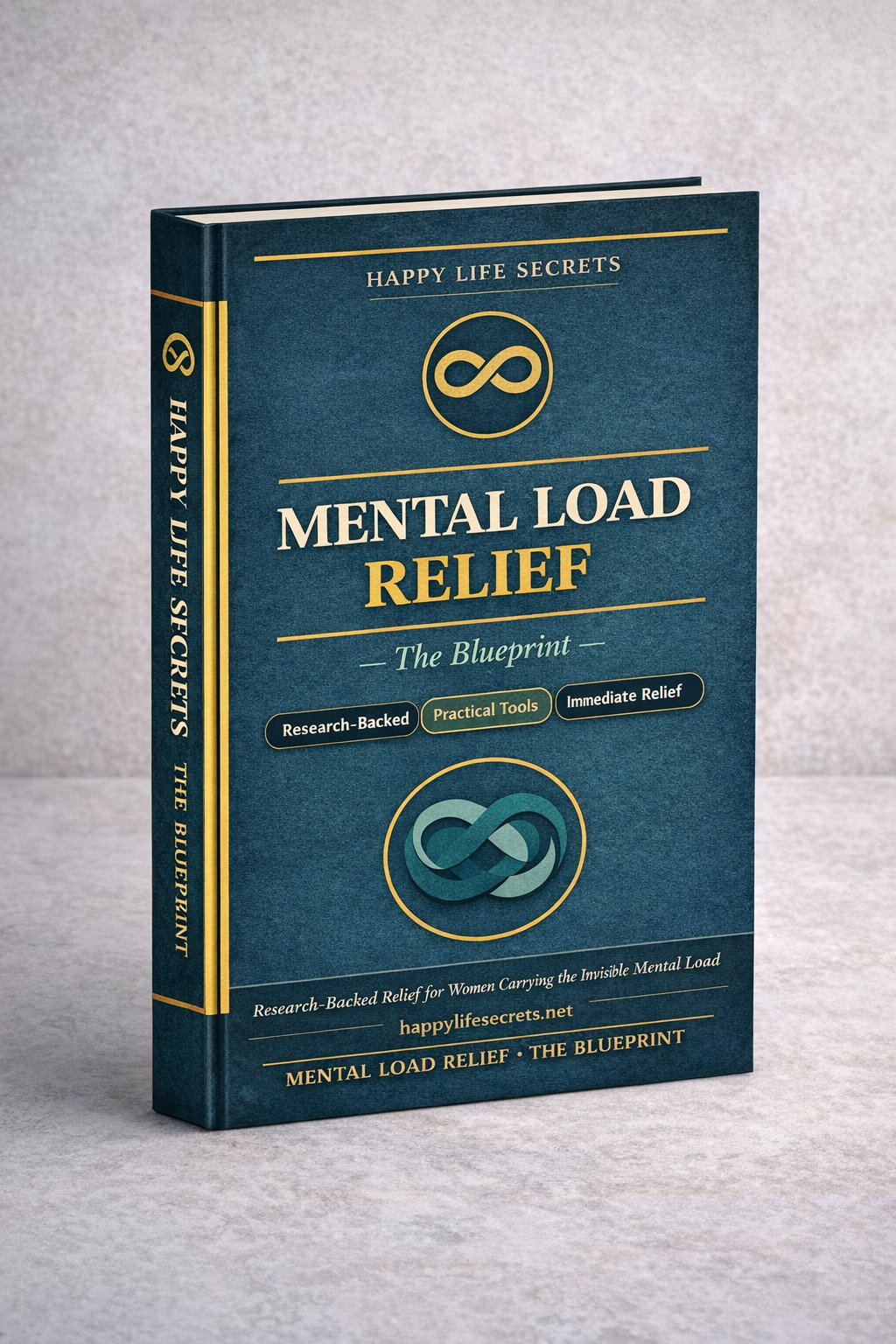
The Mental Load Relief Blueprint gives you the research-backed framework women 25–44 are quietly using to reclaim 2+ hours of mental space daily — without waiting for anyone else to notice how much you're managing.
Instant PDF delivery • Your privacy protected • Unsubscribe anytime
You're Not Overwhelmed Because You Can't Handle It.
You're Overwhelmed Because the Load Was Never Designed to Be Carried by One Person.
Research shows women make up to 35,000 decisions daily while managing invisible work nobody else sees — or names. Here's what that actually looks like from the inside.
You're the Only One Who Remembers Everything
Appointments, school events, grocery needs, everyone's schedules — that mental tab running 24/7 is real cognitive labor. Studies show invisible work creates 40% more mental fatigue than tasks anyone can actually see.
Making 100+ Decisions While Everyone Else Just... Lives
What's for dinner? Who needs what tomorrow? Did that get handled? You're absorbing the weight of these micro-decisions constantly — and research confirms that decision fatigue quietly steals your clarity and energy all day long.
Holding Everyone's Emotional Load Too
Their worries, moods, needs, and fears have somewhere to land — and that place is you. Data shows this emotional carrying costs women 700+ hours annually in unpaid mental labor that nobody else identifies as work.
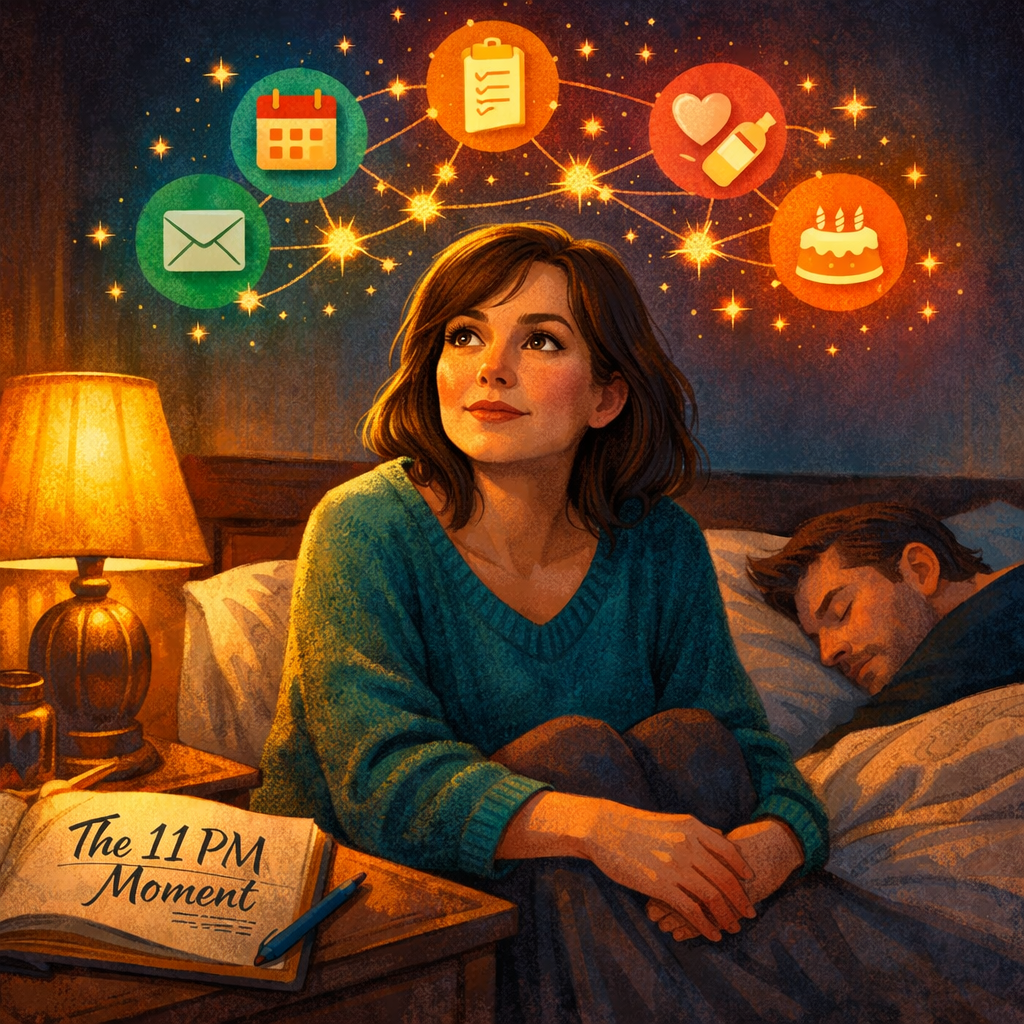
Your Brain Won't Turn Off at Night
Even when you're exhausted, tomorrow's logistics replay the moment your head hits the pillow. Research directly links mental load to disrupted sleep — which means you wake up tired before the day even begins.
You're Everyone's Default for Everything
Every question, every problem, every decision comes to you first. You coordinate, anticipate, solve — the invisible architecture holding everything together. Research identifies being the default person as a primary predictor of burnout.
Generic "Self-Care" Was Never Designed for Your Reality
"Take a bath." "Just say no." None of it accounts for the fact that you're managing an entire household's cognitive life. The advice failed you — not the other way around. You needed a different kind of tool.
The Mental Load Relief Blueprint: A New Framework, Not More Advice
This isn't another collection of productivity tips that pretend your invisible labor doesn't exist. These are evidence-based strategies built around how cognitive and emotional load actually work — practical relief designed for real life, not an idealized one.
Identify Your Mental Load Type
Discover which of the five mental load patterns applies to you. Research shows targeted, specific strategies work 3x better than generic approaches — because not all invisible labor looks the same.
The Brain Dump Method That Actually Works
Reduce your daily decision load by up to 40% using cognitive offloading techniques designed for real life. Studies confirm that externalizing mental tabs creates immediate, measurable relief.
Sharing Mental Load — Not Just Tasks
Specific strategies for redistributing invisible labor without becoming the manager of your own delegation. Evidence shows even small shifts in load distribution produce noticeable, lasting relief.
Decision Fatigue Relief Protocol
Eliminate unnecessary decision points and automate your cognitive overhead. Research confirms that removing just 20 daily micro-decisions significantly improves mental clarity and available energy.
Boundary Scripts for Real Situations
Word-for-word language for setting limits without guilt or conflict. Data shows even one consistently held boundary reduces overwhelm and interrupts the default-person pattern over time.
The Bedtime Worry Spiral Protocol
Reduce nighttime mental rumination from 45 minutes to under 5 using the Worry Window Technique. Penn State research shows this approach cuts bedtime anxiety by 35% within two weeks.
The Permission You've Been Waiting For
Relief doesn't require anyone else to notice what you've been carrying first. Research shows self-validation is the essential first step — and this guide begins there, because that's where change actually starts.
Every Strategy Is Grounded in Research on Invisible Labor
Not wellness trends. Not anecdotes. Peer-reviewed data on cognitive load, decision fatigue, and emotional labor from leading psychology and behavioral science journals.
Why The Mental Load Relief Blueprint Works When Generic Advice Didn't
The strategies that failed you before weren't designed for cognitive labor. They were designed for task management. This is something different.
Built for What You're Actually Carrying
Designed specifically for cognitive overload from invisible labor — not generic stress tips that acknowledge your situation in the intro and then ignore it for the rest of the guide.
Fits Into Real Life, Not an Ideal One
Every strategy takes 5–10 minutes. Not because the strategies are small — because your time is real. Relief that only works when you have three free hours isn't relief.
100% Evidence-Based
Grounded in peer-reviewed research on invisible labor, decision fatigue, and emotional load — not trends, personal opinions, or one-size-fits-all advice that was never built for what you carry.
About Happy Life Secrets
I'm Herb, founder of Happy Life Secrets. For over a decade, I've researched the psychology of mental overwhelm, decision fatigue, and cognitive load — specifically studying what creates real, measurable relief for women managing multiple responsibilities and invisible labor nobody else names.
The Mental Load Relief Blueprint isn't built on personal anecdotes or wellness theories. Every strategy inside is grounded in peer-reviewed research from leading psychology journals and clinical studies on invisible labor and burnout.
These are the same evidence-based tools women are using right now to finally get relief from work nobody acknowledges — and to reclaim the mental space they've always deserved, without waiting for anyone else to step up first.
Download Your Free Blueprint Today
Stop carrying everyone's invisible labor alone. Get the complete, evidence-based guide for reducing decision fatigue, sharing the mental load, and finally feeling lighter — starting today.
Completely free. No credit card required. Instant PDF download.
Yes — Send Me the Free Blueprint NowInstant delivery • Your privacy protected • Evidence-based strategies • Unsubscribe anytime
------------------------
------------------------

-----------


-----------
-----------


HappyLifeSecrets.net
Copyright © 2010-2026
All Rights Reserved