
Empowerment
Workshops for Women's Mental Health: A Path to Healing
For many women, mental health challenges like anxiety, burnout, and low self-esteem feel like silent battles. That’s why empowerment workshops for women's mental health are becoming essential lifelines—places of connection, healing, and transformation. These workshops go beyond therapy sessions or motivational talks. They are immersive, supportive environments where women uplift each other and reclaim their power.
In this article, we’ll explore how these workshops are helping women just like you. Through real-life stories, practical takeaways, and expert-backed strategies, we aim to show why empowerment workshops for women's mental health are more than a trend—they're a turning point.
How
Empowerment Workshops for Women's Mental Health Changed My Life
When 33-year-old Vanessa walked into her first empowerment workshop, she felt like she had nothing left to give. A single mother working two jobs, she struggled with depression and severe anxiety. "I was just surviving each day, not really living," she said.
That weekend changed everything.
In a circle of 15 women, Vanessa was invited to speak about her experiences—without judgment, without interruption. She cried, and for the first time in years, felt safe enough to feel her emotions. She left that weekend with new friends, a journal full of affirmations, and the resolve to start therapy and set better boundaries at work.
“I didn’t think a room full of strangers could make me feel so seen, Vanessa recalled.But those women helped me believe I was worth the effort of healing."
Why
Empowerment Workshops for Women's Mental Health Work
Empowerment workshops for women's mental health are structured differently than traditional group therapy. They often include:
Group
coaching
Guided journaling sessions
Creative expression (art, dance, or movement)
Trauma-informed practices
Wellness routines (like mindfulness or breathwork)
Guest speakers who’ve overcome adversity
The key difference? These workshops don’t treat women like they’re broken. They recognize each participant as someone who already has value, wisdom, and strength. This shift in perspective empowers women to move from feeling helpless to feeling capable.
The
Science Behind Empowerment Workshops for Women's Mental Health
According to a 2024 study published in the Journal of Women’s Health, women who participated in empowerment-based mental health programs showed:
A 35% reduction in anxiety symptoms
A 45% increase in self-esteem
A higher sense of community belonging
Workshops combine neuroscience-backed methods like storytelling, shared vulnerability, and self-regulation tools to enhance emotional resilience. That’s why they’re especially effective for women who feel isolated or overlooked in traditional healthcare settings.
Finding
the Right Empowerment Workshop for Your Mental Health Needs
There’s no one-size-fits-all. Different empowerment workshops for women's mental health focus on unique aspects of healing. Here’s how to find one that fits your journey:
1. Know your goal:
Are you looking to reduce anxiety, heal from trauma, build confidence, or connect with other women?
2. Check for trauma-informed practices:
Ensure facilitators are certified in trauma-sensitive approaches, especially if you’ve experienced emotional or physical abuse.
3. Look at the format:
Some workshops are weekend-long retreats; others are weekly sessions. Choose one that works with your schedule and energy level.
4. Ask for reviews or testimonials:
Many organizers post testimonials or can connect you with past attendees for insight.
From
Survival to Thriving: Real Voices from the Workshops
A few women from recent empowerment workshops were asked to share one word that described their experience. Here's what they said:
"Liberating" – Sandra, 38
"Affirming" – Kayla, 27
"Life-saving" – Noor, 41
"Grounding" – Emily, 30
These workshops didn’t erase their pain, but they gave each woman a toolkit—and a sisterhood—to navigate it with grace.
Practical
Takeaways from Empowerment Workshops for Women's Mental Health
If you can’t attend a workshop just yet, here are five practices inspired by them that you can start at home:
1. Daily Affirmations: Say five kind things to yourself every morning.
2. Community Check-ins: Reach out to at least one woman in your life weekly.
3. Journaling Prompts: "What do I need to feel safe today?" or "What part of me needs love?"
4. Movement Therapy: Dance, stretch, or take a mindful walk while paying attention to your body’s sensations.
5. Voice Your Story: Start telling your story, even if it’s just to yourself. Naming your truth is the first step in reclaiming it.
The
Future of Empowerment Workshops for Women's Mental Health
As more women become advocates for their mental well-being, empowerment workshops for women's mental health will continue to evolve—incorporating digital formats, multicultural perspectives, and even AI-based emotional support tools.
But at the heart of every workshop is something timeless: human connection. When women come together to share, support, and heal, the ripple effects are felt in families, communities, and generations.
Final
Thoughts
If you're struggling with your mental health, know this: You are not alone, and you are not broken. Empowerment workshops for women's mental health are built on the belief that every woman holds the power to change her life—with the right tools and a supportive circle.
Take the step. Find your workshop. Let healing begin.
Instant delivery • No credit card required • Unsubscribe anytime
You're Not Falling Behind. You're Carrying More Than Anyone Should Have to Hold Alone.
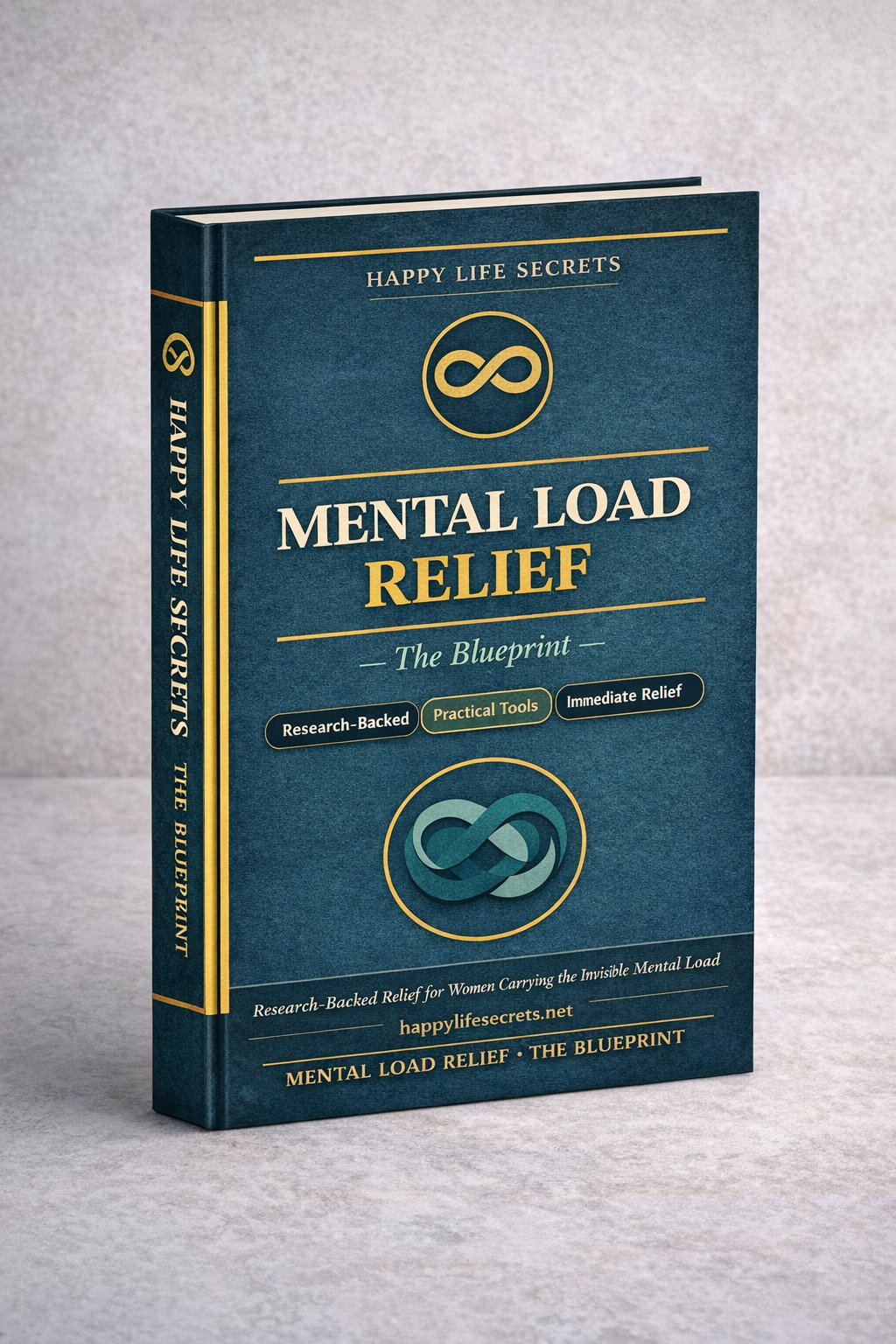
The Mental Load Relief Blueprint gives you the research-backed framework women 25–44 are quietly using to reclaim 2+ hours of mental space daily — without waiting for anyone else to notice how much you're managing.
Instant PDF delivery • Your privacy protected • Unsubscribe anytime
You're Not Overwhelmed Because You Can't Handle It.
You're Overwhelmed Because the Load Was Never Designed to Be Carried by One Person.
Research shows women make up to 35,000 decisions daily while managing invisible work nobody else sees — or names. Here's what that actually looks like from the inside.
You're the Only One Who Remembers Everything
Appointments, school events, grocery needs, everyone's schedules — that mental tab running 24/7 is real cognitive labor. Studies show invisible work creates 40% more mental fatigue than tasks anyone can actually see.
Making 100+ Decisions While Everyone Else Just... Lives
What's for dinner? Who needs what tomorrow? Did that get handled? You're absorbing the weight of these micro-decisions constantly — and research confirms that decision fatigue quietly steals your clarity and energy all day long.
Holding Everyone's Emotional Load Too
Their worries, moods, needs, and fears have somewhere to land — and that place is you. Data shows this emotional carrying costs women 700+ hours annually in unpaid mental labor that nobody else identifies as work.
Your Brain Won't Turn Off at Night
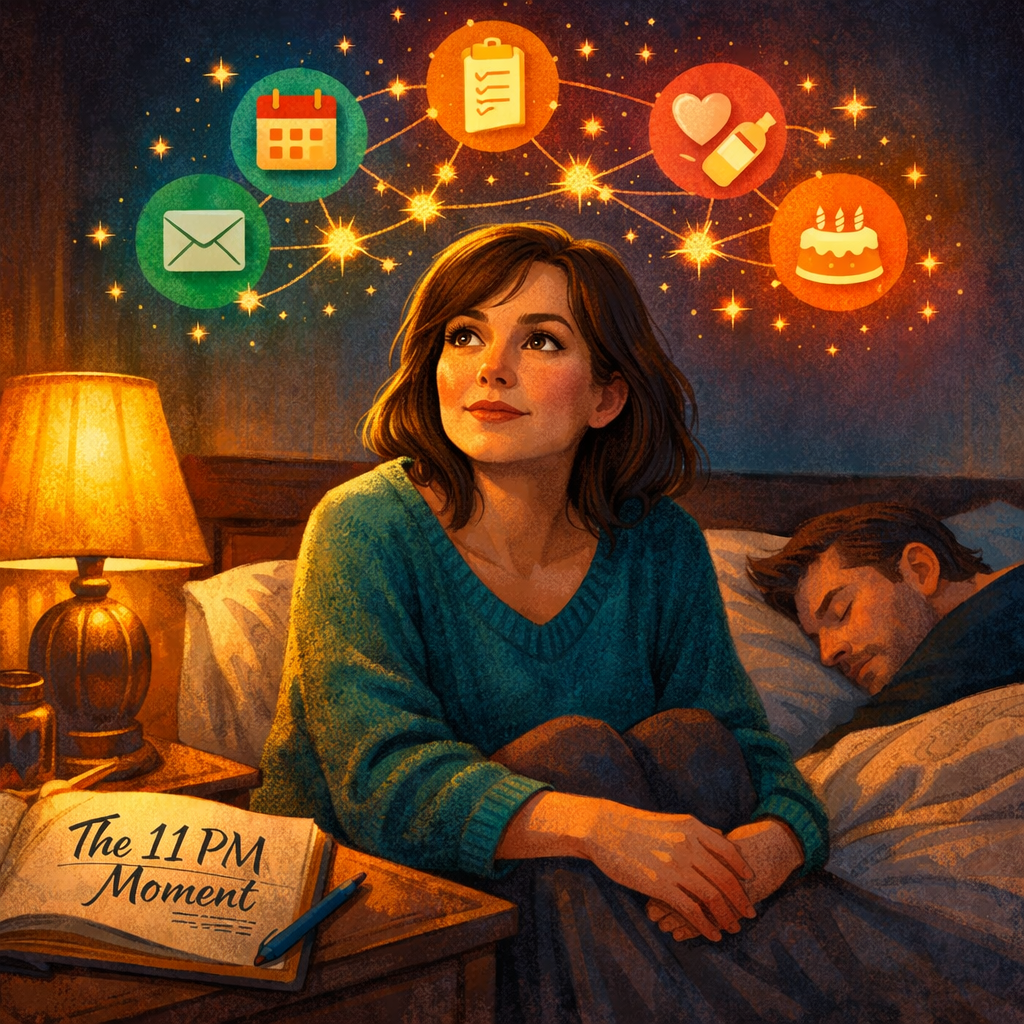
Even when you're exhausted, tomorrow's logistics replay the moment your head hits the pillow. Research directly links mental load to disrupted sleep — which means you wake up tired before the day even begins.
You're Everyone's Default for Everything
Every question, every problem, every decision comes to you first. You coordinate, anticipate, solve — the invisible architecture holding everything together. Research identifies being the default person as a primary predictor of burnout.
Generic "Self-Care" Was Never Designed for Your Reality
"Take a bath." "Just say no." None of it accounts for the fact that you're managing an entire household's cognitive life. The advice failed you — not the other way around. You needed a different kind of tool.
The Mental Load Relief Blueprint: A New Framework, Not More Advice
This isn't another collection of productivity tips that pretend your invisible labor doesn't exist. These are evidence-based strategies built around how cognitive and emotional load actually work — practical relief designed for real life, not an idealized one.
Identify Your Mental Load Type
Discover which of the five mental load patterns applies to you. Research shows targeted, specific strategies work 3x better than generic approaches — because not all invisible labor looks the same.
The Brain Dump Method That Actually Works
Reduce your daily decision load by up to 40% using cognitive offloading techniques designed for real life. Studies confirm that externalizing mental tabs creates immediate, measurable relief.
Sharing Mental Load — Not Just Tasks
Specific strategies for redistributing invisible labor without becoming the manager of your own delegation. Evidence shows even small shifts in load distribution produce noticeable, lasting relief.
Decision Fatigue Relief Protocol
Eliminate unnecessary decision points and automate your cognitive overhead. Research confirms that removing just 20 daily micro-decisions significantly improves mental clarity and available energy.
Boundary Scripts for Real Situations
Word-for-word language for setting limits without guilt or conflict. Data shows even one consistently held boundary reduces overwhelm and interrupts the default-person pattern over time.
The Bedtime Worry Spiral Protocol
Reduce nighttime mental rumination from 45 minutes to under 5 using the Worry Window Technique. Penn State research shows this approach cuts bedtime anxiety by 35% within two weeks.
The Permission You've Been Waiting For
Relief doesn't require anyone else to notice what you've been carrying first. Research shows self-validation is the essential first step — and this guide begins there, because that's where change actually starts.
Every Strategy Is Grounded in Research on Invisible Labor
Not wellness trends. Not anecdotes. Peer-reviewed data on cognitive load, decision fatigue, and emotional labor from leading psychology and behavioral science journals.
Why The Mental Load Relief Blueprint Works When Generic Advice Didn't
The strategies that failed you before weren't designed for cognitive labor. They were designed for task management. This is something different.
Built for What You're Actually Carrying
Designed specifically for cognitive overload from invisible labor — not generic stress tips that acknowledge your situation in the intro and then ignore it for the rest of the guide.
Fits Into Real Life, Not an Ideal One
Every strategy takes 5–10 minutes. Not because the strategies are small — because your time is real. Relief that only works when you have three free hours isn't relief.
100% Evidence-Based
Grounded in peer-reviewed research on invisible labor, decision fatigue, and emotional load — not trends, personal opinions, or one-size-fits-all advice that was never built for what you carry.
About Happy Life Secrets
I'm Herb, founder of Happy Life Secrets. For over a decade, I've researched the psychology of mental overwhelm, decision fatigue, and cognitive load — specifically studying what creates real, measurable relief for women managing multiple responsibilities and invisible labor nobody else names.
The Mental Load Relief Blueprint isn't built on personal anecdotes or wellness theories. Every strategy inside is grounded in peer-reviewed research from leading psychology journals and clinical studies on invisible labor and burnout.
These are the same evidence-based tools women are using right now to finally get relief from work nobody acknowledges — and to reclaim the mental space they've always deserved, without waiting for anyone else to step up first.
Download Your Free Blueprint Today
Stop carrying everyone's invisible labor alone. Get the complete, evidence-based guide for reducing decision fatigue, sharing the mental load, and finally feeling lighter — starting today.
Completely free. No credit card required. Instant PDF download.
Yes — Send Me the Free Blueprint NowInstant delivery • Your privacy protected • Evidence-based strategies • Unsubscribe anytime
------------------------
------------------------

-----------


-----------
-----------


HappyLifeSecrets.net
Copyright © 2010-2026
All Rights Reserved