
Best
Work Schedule for Happiness: Tips for Achieving Happiness at Work
In today's fast-paced world, women often find themselves juggling multiple roles and responsibilities. Understanding the best work schedule for happiness can make a significant difference in achieving happiness at work. Let's explore practical strategies and tips to help women create a balance that promotes well-being and joy in their professional lives.
Understanding
the Importance of Work-Life Balance for Happiness at Work
Having a work-life balance is crucial for overall happiness and mental well-being. When work demands too much time and energy, it can lead to stress and burnout. Women, especially those in high-stress jobs, need to prioritize a balanced work schedule that allows them to enjoy their personal lives while excelling in their careers.
The
Best Work Schedule for Happiness: Flexibility is Key
Flexibility is one of the primary components of the best work schedule for happiness. Whether through remote work, flexible hours, or job-sharing arrangements, having control over your schedule can lead to greater job satisfaction and happiness at work.
* Remote Work Benefits: Working remotely can reduce commute times, allow for a more comfortable work environment, and enable better work-life integration.
* Flexible Hours: Flexibility in starting and ending times can help align work schedules with personal peak productivity periods. It also allows women to manage other responsibilities more efficiently.
Strategies
for Achieving Happiness at Work
Implementing the best work schedule for happiness involves more than just time management. Here are several strategies to enhance happiness at work:
1. Mindfulness Practices: Incorporating mindfulness into daily routines can significantly reduce stress and improve happiness. Techniques like meditation, deep breathing, or simply taking a moment to be present can shift your mindset considerably.
* Meditation Apps: Apps like Headspace or Calm offer guided meditations that can be incorporated into daily routines.
* Mindful Breaks: Schedule short breaks throughout the day for mindfulness practices to reset and refocus.
2. Physical Activity: Regular exercise is essential for mental and physical health. Women who engage in bodywork, fitness routines, or yoga find that these activities significantly contribute to their happiness.
* Yoga for Stress Relief: Yoga is particularly beneficial for reducing stress and enhancing mindfulness.
* Fitness Classes: Joining local fitness classes can provide motivation and support from a community of like-minded individuals.
3. Healthy Eating: Proper nutrition fuels both body and mind. Eating a balanced diet with plenty of fruits, vegetables, and whole grains can improve energy levels and mood.
4. Support Networks: Building a strong support network at work and in personal life is crucial. Having trusted colleagues, mentors, and friends to share experiences and advice can enhance happiness at work.
Leveraging
Self-Care Products for Happiness at Work
Self-care products specifically designed for mental health and well-being can further augment happiness at work. Here are some recommendations:
* Aromatherapy Diffusers: Scents like lavender and eucalyptus promote relaxation and focus.
* Stress-Relief Tools: Items like stress balls or calming teas can offer quick relief during stressful moments.
* Personalized Self-Care Kits: Tailored kits containing items like journals, candles, and skincare products encourage regular self-care routines.
Creating
a Personalized Work Schedule for Happiness
Each woman’s needs are unique, and the best work schedule for happiness may differ from one person to another. Here’s a step-by-step approach for designing a personalized work schedule:
1. Assess Your Needs: Determine the hours when you are most productive and align work tasks accordingly.
2. Prioritize Tasks: Focus on completing high-priority tasks during peak productivity times.
3. Incorporate Breaks: Plan regular breaks to prevent burnout and maintain high levels of productivity.
4. Review and Adjust: Regularly assess your work schedule and make adjustments as needed to ensure it continues to support your well-being.
Conclusion: Embracing the Best Work Schedule for Happiness
Finding the best work schedule for happiness is a continuous journey of self-discovery and adjustment. By integrating flexibility, mindfulness, physical activity, and self-care into your routine, you can create a balanced approach that enhances happiness at work. Remember, prioritizing your well-being is essential for sustained success and fulfillment in both professional and personal aspects of life.
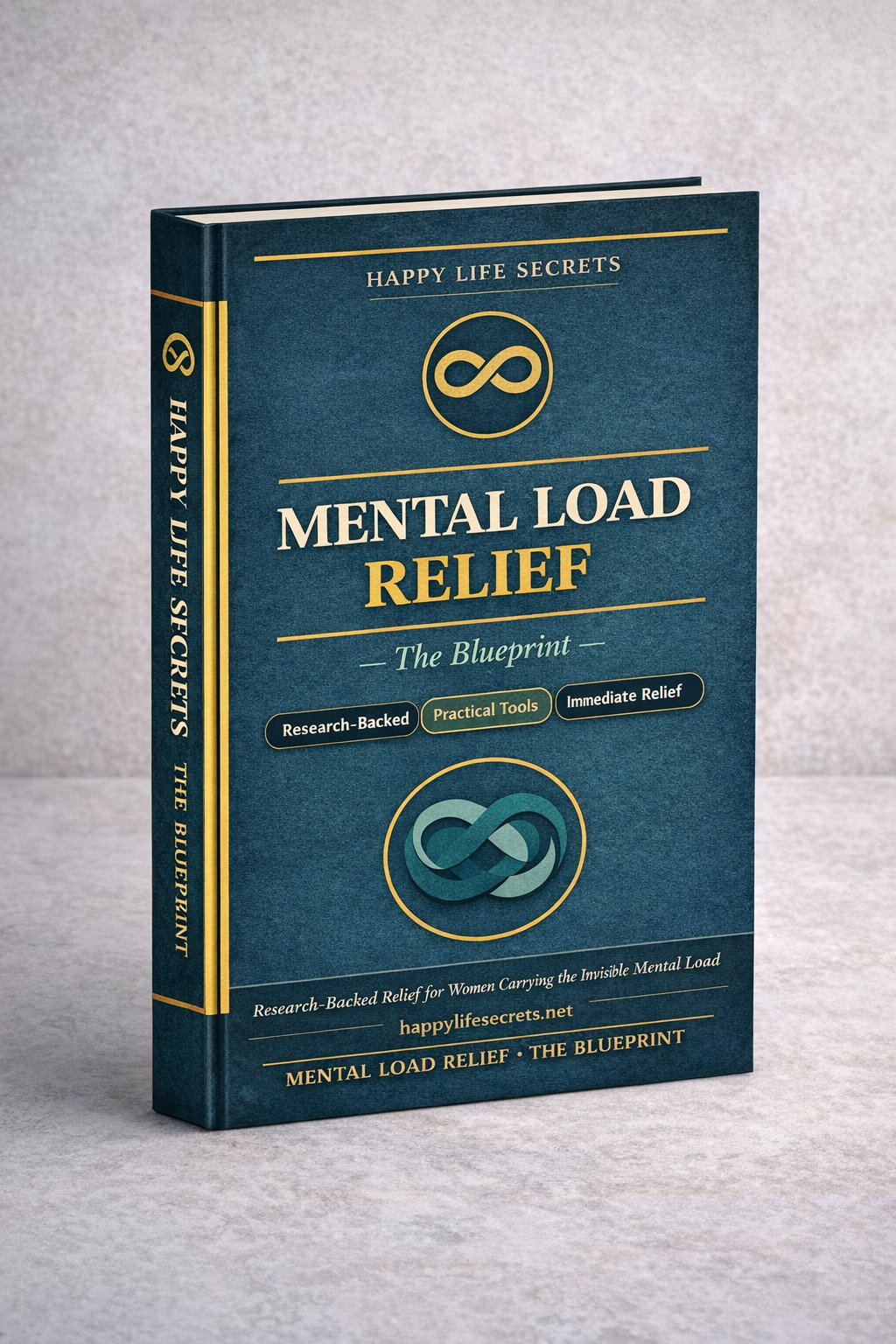
You're Not Falling Behind. You're carrying more than anyone should have to hold alone.
The Mental Load Relief Blueprint gives you a clear map of the invisible work you carry, and simple, practical ways to start setting it down, without waiting for anyone else to notice how much you're managing.
You're Not Overwhelmed Because You Can't Handle It.
You're overwhelmed because the load was never designed to be carried by one person. Here's what that invisible work looks like from the inside.
You're the Only One Who Remembers Everything
Appointments, school events, groceries, everyone's schedules. That mental tab running all day is real work, even though no one else can see it.
Making 100 Decisions While Everyone Else Just Lives
What's for dinner? Who needs what tomorrow? Did that get handled? Every small decision lands on you, and decision fatigue quietly drains your clarity and energy.
Holding Everyone's Emotional Load Too
Their worries, moods, and needs have somewhere to land, and that place is you. It's labor nobody names, and it adds up.
Your Brain Won't Turn Off at Night
Even when you're exhausted, tomorrow's logistics replay the moment your head hits the pillow, so you wake up tired before the day begins.
You're Everyone's Default for Everything
Every question, every problem, every decision comes to you first. You coordinate, anticipate, and solve. You're the invisible structure holding it all together.
Generic "Self-Care" Wasn't Built for Your Reality
"Take a bath." "Just say no." None of it accounts for managing a whole household's mental life. The advice failed you, not the other way around.
The problem was never your capacity. The problem was that nobody gave you a map of what you were actually carrying, or a way to set it down.
A New Framework, Not More Advice
Not another list of productivity tips that pretend your invisible work doesn't exist. Seven practical strategies built around how mental and emotional load actually work, designed for real life.
Identify Your Mental Load Types
Find out which of the 6 types of mental load you carry most heavily, so you can focus your energy where it will make the biggest difference.
The Brain Dump Method That Actually Works
Get the running list out of your head and onto paper, so your mind stops holding everything at once.
Sharing the Mental Load, Not Just Tasks
How to hand off the thinking, not just the doing, so you don't become the manager of your own delegation.
Decision Fatigue Relief
Cut out unnecessary daily decisions and put repeat choices on autopilot, so you have more clarity left for what matters.
Boundary Scripts for Real Situations
Word-for-word language for setting limits without guilt or conflict, starting with one boundary you can hold.
The Bedtime Worry Spiral Fix
The Worry Window technique gives tomorrow's to-do list a set time and place, so it stops following you to bed.
The Permission You've Been Waiting For
Relief doesn't require anyone else to notice what you've been carrying first. This guide starts there, because that's where change begins.
Simple Enough to Start Today
Why This Works When Generic Advice Didn't
The strategies that failed you before were designed for task management. This is designed for the thinking work behind the tasks.
Built for What You Actually Carry
Made for the overload that comes from invisible work, not generic stress tips that mention your situation once and then ignore it.
Fits Real Life, Not an Ideal One
Every strategy takes 5–10 minutes. Relief that only works when you have three free hours isn't relief.
Grounded in Research
Built on what researchers have learned about invisible labor, decision fatigue, and emotional load, not trends or one-size-fits-all advice.
About Happy Life Secrets
I'm Herb, founder of Happy Life Secrets. For over a decade, I've studied the psychology of mental overwhelm, decision fatigue, and cognitive load, and what creates real relief for women managing invisible work nobody else names.
The Mental Load Relief Blueprint pulls that work into one short, practical guide: a clear map of what you're carrying, and simple ways to start setting it down, without waiting for anyone else to step up first.
Download Your Free Blueprint Today
Stop carrying everyone's invisible work alone. Get the guide for easing decision fatigue, sharing the mental load, and finally feeling lighter, starting today.
Yes, Send Me the Free Blueprint → No credit card · Instant PDF · Unsubscribe anytime------------------------

 3 minutes that change how you see every relationship



-----------


HappyLifeSecrets.net
Copyright © 2010-2026
All Rights Reserved